Sea freight from Baku
The cheapest way to move a large volume a long distance — provided the date is not the thing that matters most.
- FCL & LCL
- Customs support
- Port handling
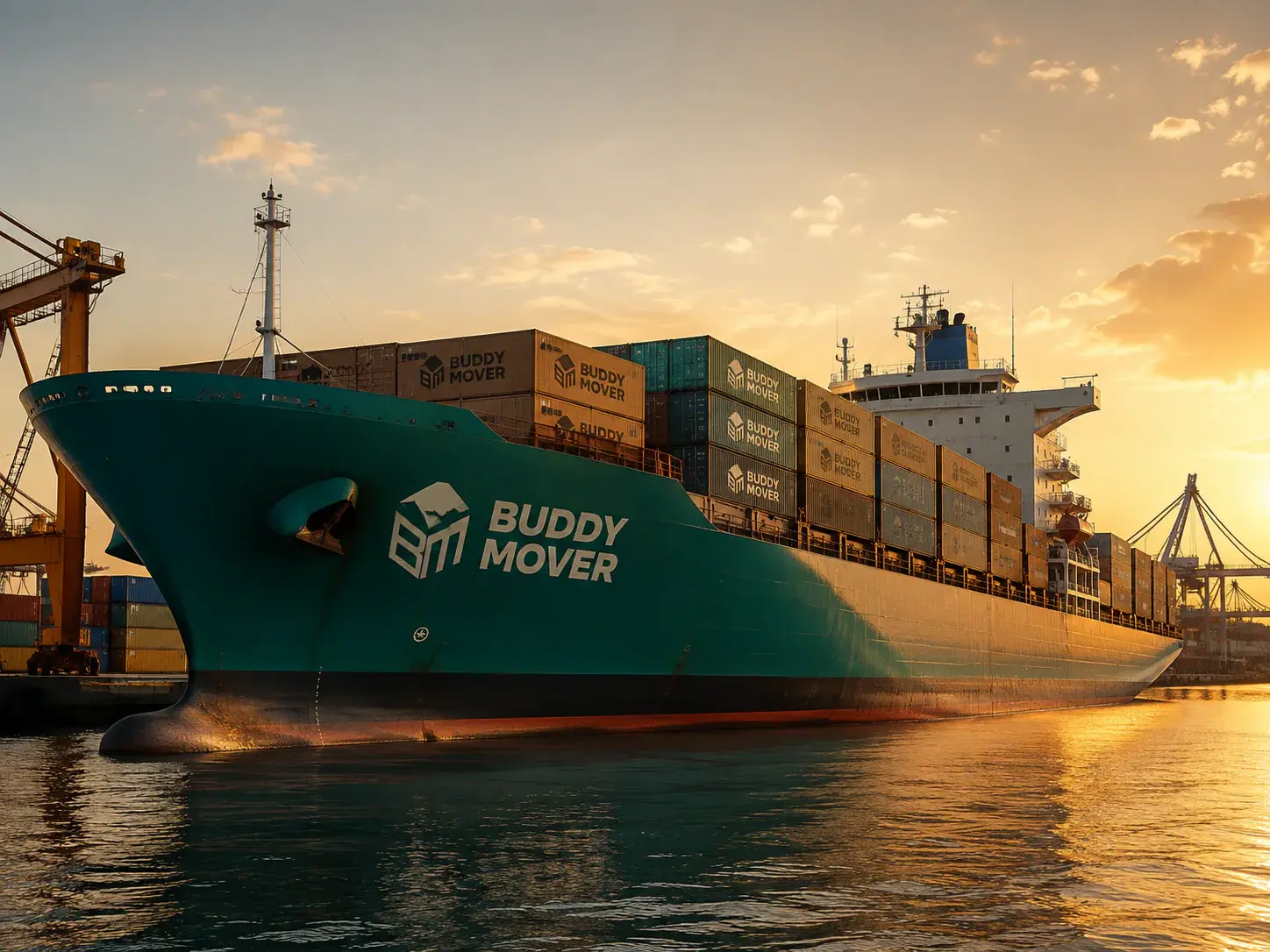
Sea freight wins on price per cubic metre and loses on time, and both by a wide margin. For a full household going to another continent, or for a volume of goods where air freight would cost several times the value of the cargo, it is the only sensible option. For anything urgent it is the wrong one, and we will say so.
From Alat, the Baku sea trade port, Caspian routes run to Kazakhstan, Turkmenistan, Russia and Iran. Beyond the Caspian, shipments continue by rail or road to the sea ports that serve the rest of the world — which is why a realistic date matters more here than anywhere else, and why we quote transit honestly rather than optimistically.
You can take a full container, which is yours alone from loading to unloading, or a share of one, where you pay for the volume you use. A shared container is much cheaper and adds time for consolidation at both ends.
What's included
- Full-container and groupage shipments
- Port and sea route selection
- Port handling coordination
- Container delivery to the final address
How it works
Route and container
We work out the routing, the container type and the realistic transit time. For onward destinations beyond the Caspian this is the step that decides everything else.
Packing for sea
Sea transport means weeks of humidity, salt air and movement. Cargo is packed accordingly — moisture barriers, wooden crating where needed, and securing inside the container so nothing shifts at sea.
Documents and customs
Bill of lading, export declaration, packing list, certificates. Sea freight is the most paper-heavy mode and the least forgiving of a missing document — a container does not wait for one.
Tracking and delivery
Status through the whole route, and delivery from the destination port to the recipient's address.
What affects the price
Full or shared container
The main choice. A full container is priced as a unit regardless of how full it is; a share is priced by cubic metre. Below roughly half a container, sharing is almost always cheaper.
Destination and routing
Direct Caspian routes are one thing; onward carriage to ports beyond is another, with transhipment and its own costs and time.
Volume and weight
Priced by cubic metre for shared containers, with weight limits that matter for dense cargo. Packing that wastes space is paid for twice over here.
Port charges and storage
Handling at both ports, and demurrage if the container waits beyond its free days. Preparing the documents in advance is what keeps that line at zero.
Questions about this service
How long does sea freight from Baku take?
Across the Caspian, one to two weeks. To destinations beyond, four to eight weeks depending on the route and transhipment. We quote the realistic figure rather than the best possible one — planning a move around an optimistic date is how people end up without their belongings.
Is sea freight suitable for a household move?
For intercontinental moves, yes — it is the standard choice. A full household usually fits a 20- or 40-foot container, and the price difference against air freight is large enough to justify the weeks.
Will humidity damage furniture at sea?
Not with the right packing, which is exactly why sea packing differs from road packing: moisture barriers, desiccant where appropriate, wooden crating for what needs it, and proper securing inside the container.
What is the difference between a full and a shared container?
A full container is yours from loading to unloading and moves without consolidation stops. A shared one is consolidated with other cargo — cheaper per cubic metre, and slower at both ends while the container is filled and emptied.
Other services
Get a price for your own case
Tell us what needs moving — after clarifying the details, we will prepare a written estimate for the agreed scope. We explain any changes before work begins and reply during working hours.