Moving from Baku to Europe
Three routes, genuinely different trade-offs, and a decision worth making with real numbers rather than by default.
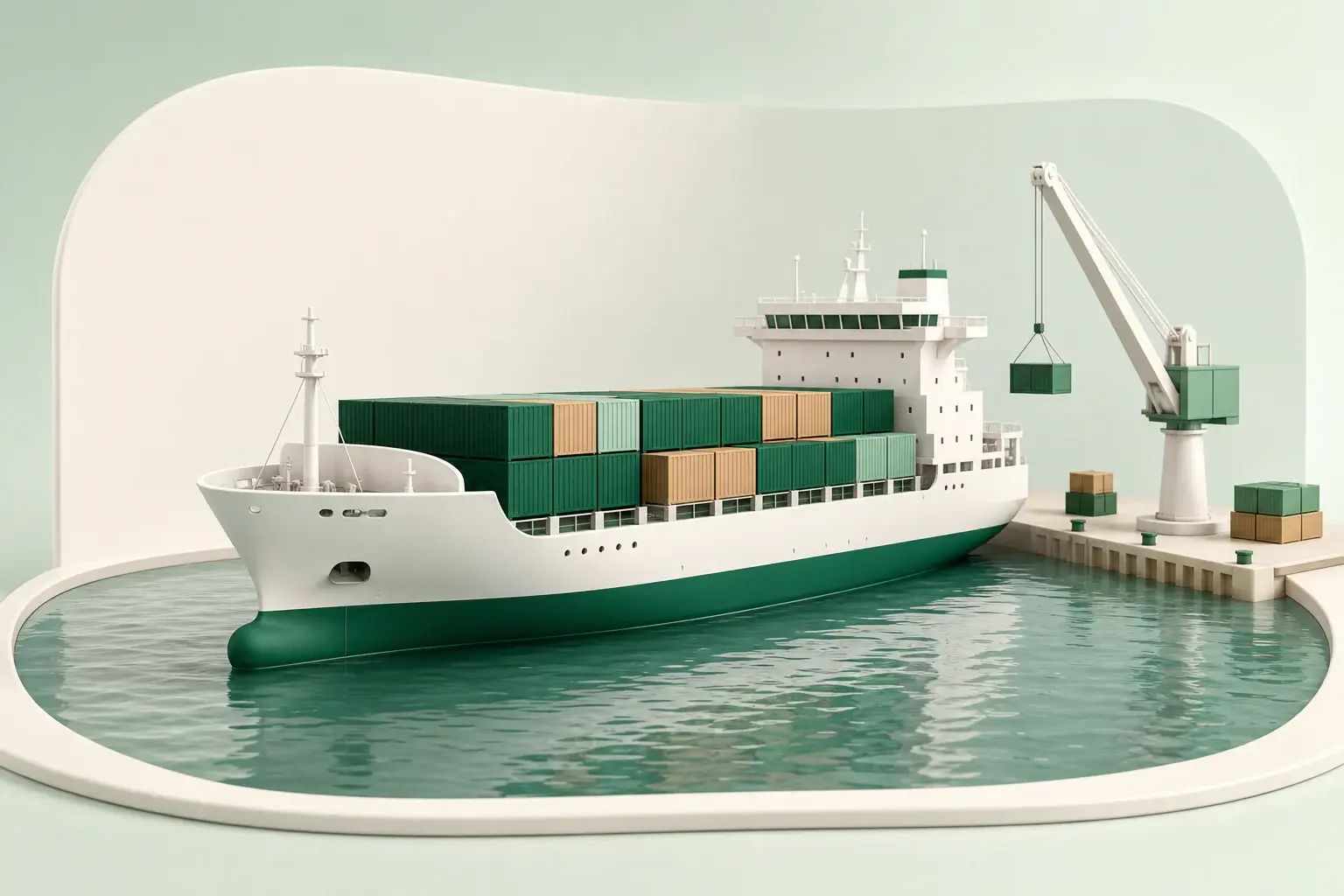
Europe is the direction where the choice of route matters most, because all three are viable and they differ enormously. A truck through Georgia and Turkey is the fastest and the dearest. Rail along the Trans-Caspian corridor is the middle. Sea is the cheapest per cubic metre and the slowest by a long way.
Which is right depends on how much you are moving and when you need it. For one or two rooms, a road part load usually wins outright. For a full household with no hard deadline, rail or sea saves a great deal of money. We price the options rather than steering you to whichever we book most often.
Whatever the route, the paperwork is the same shape and it is the part that most often costs time: export declaration on our side, import clearance on the other, and an inventory detailed enough to survive an inspection.
The three routes, honestly compared
Road — fastest, priciest
Through Georgia and Turkey into the EU. Loaded at your door and unloaded at the destination without transfers, which is also why nothing gets damaged in handling. Best for smaller volumes and for anything with a date attached.
Rail — the middle option
Container or wagon along the Trans-Caspian corridor. Cheaper than road, faster than sea, unaffected by road-border queues, and it runs to a schedule rather than an estimate. Terminal legs at both ends are road journeys and are priced separately.
Sea — cheapest per cubic metre
Out through Alat with onward carriage to a European port. The lowest price for a full household and the longest wait; the transit is measured in weeks, not days.
What the move includes
Packing for an international transit
Weeks in a container is not the same as an afternoon in a van. Moisture protection, crating for what needs it, and securing so nothing shifts over a long journey.
Customs on both sides
Export declaration and documents prepared here; import clearance through a partner agent or your own broker at the destination. Relief on used household goods depends on your residence status in the destination country, and we will tell you what yours requires.
Delivery to the address
Not to a port or a terminal. The quote covers the final road leg and unloading at the new home.
Frequent questions
How long does a move from Baku to Europe take?
Road, roughly one to two weeks door to door depending on the country and the borders. Rail, two to four weeks. Sea, four to eight. All three include customs, and all three are ranges because border and port time is not fully predictable.
Can I track the shipment across Europe?
Yes, by the number in your contract at buddy-mover.com/tracking. With several borders — and, on the rail and sea routes, a transhipment in the middle — the useful thing is not a status word but the checkpoint list, which is what you get, along with the vehicle or container number and an arrival date that moves as the shipment does. Our team manually records progress updates; this is not live GPS tracking.
Which route should I choose?
Small volume or a fixed date — road. Full household with flexibility — rail or sea, and the saving is substantial. We give you the three prices and the three realistic dates; the trade-off is yours to make with real numbers in front of you.
Do you deliver to any European country?
To most, through partner agents at the destination. Some routes are straightforward and some involve transhipment that adds time and cost — tell us the destination city and we will say which yours is.
What happens to customs duty on my belongings?
Used household goods moved by a person relocating are usually treated more favourably than commercial cargo, but the relief and the conditions differ by country and depend on your residence status. We prepare the documents and explain what your destination requires; the decision belongs to that country's customs, and we will not promise you an outcome we do not control.
Other destinations
Get a price for your own case
Tell us where you are moving from and to — after clarifying the details, we will prepare a written estimate for the agreed scope. We explain any changes before work begins and reply during working hours.